Why All The Fuss? Fascia And Soffit Installers Near Me?


Choosing uPVC Fascia and Soffit Installers Near Me
Fascia and soffits are unsung heroes that shield your home from the elements. They can be susceptible to damage, however, especially in extreme weather conditions or if they are not properly maintained.
uPVC fascias and soffits from uPVC are more durable than traditional timber boards and require very little maintenance. A quick inspection of the fascia and soffits and a wipe down will keep them looking great.
What kind of material do you choose to use?
The type of fascia and soffit boards you choose will affect the overall appearance and the life span of your home. There are many options to choose from including aluminum, wood, and composite materials. Each of these has its pros and pros and. When selecting a material for your home, consider your personal preferences as well as the climate of your region.
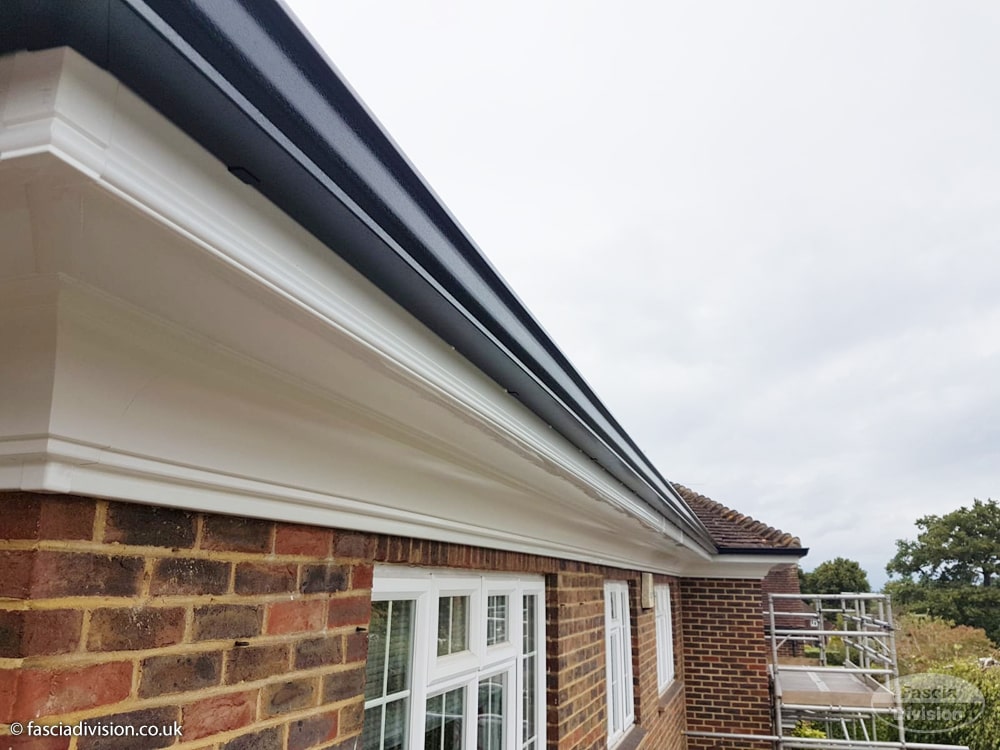
Wood is a popular option for fascia and soffit boards because it is inexpensive and can be painted to match the color of your home. It can deteriorate rapidly and requires regular maintenance in order to prevent rot or insects from infesting. If you are looking for an option that is more durable, composite or fiber cement fascia boards are a good alternative. These are made of recycled woodchips and sawdust bonded together with epoxy resin. They are more expensive, but last longer and have superior rot resistance.
Another option for fascia boards is vinyl, that can be made to look like any other kind of material you want. It is also much easier and faster to install than wooden fascia boards and it resists the effects of insects and moisture. It is important to note, however, that vinyl is susceptible to cracking and peel as time passes. Get advice from a professional if aren't sure which type of material is best for your home.
Depending on the size of your house, you may need to replace the entire roofline, or you may be able repair specific areas. The first step is to determine the length of your roofline. st-albans uPVC Soffits And Fascias will allow you to determine the amount of fascia and soffit material you need. Once you've decided on the amount you'll need, the next step is to get the right material.
You can save money on installation if you are an experienced DIYer. However, this can be dangerous, as you'll have to use power tools on top of an elevated ladder. You'll require a hammer and carpentry nails as well as circular saws, miter saw and protective equipment. Make sure you read all the instructions from the manufacturer and follow all safety precautions.
What kind of installation do you offer?
Fascias and soffits provide ventilation as well as weather protection, and provide a finished appearance to the eaves. They also help prevent insect and water damage particularly when the soffit is properly ventilated. Regular inspections and maintenance are recommended to prevent pest infestation and rot and also to extend their life.
The fascia and the soffit of your roof are essential regardless of whether you're building or renovating a home. They protect your roof's underside from pests, water, and moisture. They also help to drain excess water from gutters. They can last for many years, and add an attractive finish to the exterior of your house.
There are a variety of factors that determine the cost of an installation of a fascia or soffit will cost. The most important factor is the material used. The majority of modern fascia boards are made of uPVC. It is a low-cost alternative that won't shrink or warp over time and is resistant to rot and insects. It is also easy to maintain and clean which makes it a great option for a wide range of climates.
The type of installation, the labor cost and the amount of boards you require can affect the cost. The more boards you require, the higher the cost. If you're fixing an existing fascia, it is typically cheaper to repair damaged sections rather than replacing the entire board.
Fascia boards are priced according to the linear foot, so you'll have to determine how many feet of fascia and soffit you'll require. Divide that number by the cost per foot of the material. Then, add the cost of any other materials you'll need to complete your project, such as flashing or soffit vents.
The most popular kinds of soffits include wood vinyl, aluminum, and wood. Wood is typically the cheapest however it is susceptible to rot and insect infestation. Vinyl and fiber cement are more expensive but less prone to these issues. However they are more difficult to install than wood.
What is the cost to complete the task?
The soffit and the fascia boards are the most important part of the roofline that connects your home to the roof and protects the lower row of tiles from the elements. It also provides ventilation, insulation and protects downpipes and guttering by creating an insulating layer against moisture and condensation. New uPVC fascias offer a sleek modern look that will increase the value of your home and help you save money on maintenance costs.
There are many different colours and you can match them with your current windows and doors. uPVC fascias are also very robust and do not require painting as wooden fascias do. It will keep your home safe for a long time since it can stand up to heavy rain and snow without fade.
Wooden fascias are prone to damage by the weather and may be affected by mould and rot. They can also be prone to water damage and this can lead to the interior of your roof being exposed. This can also affect your roof's structure and cause issues for your property.
uPVC offers much more resistance to weather conditions and does not get warped or rot as fast as timber does. uPVC can be made to the exact lengths you require and it is also very lightweight so it takes less time than a traditional wooden board to put up. This can help reduce the price of the job and will also help you save on labor costs.
If your fascia is damaged, it should be replaced as soon as is feasible. This could allow moisture to enter the roof space, which can result in damp and other issues. Moisture that builds up in the rafters of your home could cause damage to the timbers and draw pests. It also can create an unhealthy and dark environment.
uPVC is more moisture resistant than timber. It can be equipped with a ventilation system that allows air to flow through, preventing your attic from getting too hot and causing condensation problems in your home. Having adequate ventilation in your roof space can stop the buildup of moisture that can cause mildew, mould or wood rot.
How long will it take?
In most instances, the entire roofline, including soffits and fascias, can be replaced in two to three working days. It depends on the size of your home and which materials you choose. uPVC is the most popular material for soffits, fascia boards, and eaves. It is extremely resistant to rotting, warping, and harsh weather conditions. This means you'll save money on maintenance. It comes in a variety of colors, so you can match it to your home.
The fascia board is a crucial part of the roof's protection, preventing moisture from entering the walls and loft area. It also helps to support the lower row of roof tiles which allows them to breathe, helping to avoid condensation in your attic. It also supports downpipes and guttering. If you're unsure whether your fascia board is watertight or not, it might be worth replacing it. The first sign is flaking or cracked paint that is an obvious sign that it's not anymore weatherproof and allowing rainwater to enter your home. Other signs are soft wood patches which suggest that the wood is beginning to decay and allowing moisture, which can cause damp problems.
To fit a new fascia board the old one will need to be removed and the rafters examined for damage from moisture. After these areas have dried, the new fascia can be fitted. It is best to place the fascia board joints in a staggered fashion rather than putting them in a straight line because this will increase the strength of the boards and keep them from bending. To ensure an effective fix, a good quality uPVC roofing system includes Polytop stainless steel ring nails with round heads.
After the fascia and soffit have been installed, it is essential to install eaves trays. These trays help to catch rainwater, and prevent it from spilling over, causing damage to the roof space. Installing a vent in the soffit will stop the accumulation of moisture in the roof space and allow air circulation to help reduce condensation.